If people strain to understand the sermon, nothing else about the system matters. Qohr handles church sound system design and installation with speech intelligibility first, then builds the full worship sound around it.
Coverage planning starts with the seating and the room. The goal is even, natural sound, with fewer hot spots and coverage gaps rather than simply turning up the system. Compare the real planning ranges in our church sound system cost guide.
Signal path
Every part of the system answers to the room.
Speakers cannot fix the acoustics. A console cannot fix poor coverage. The system works when every decision shares the same plan.
System design & modeling
Coverage, output, rigging, infrastructure, and room behavior resolved before equipment is installed.
Loudspeakers & subwoofers
Main systems, fills, delays, and low-frequency coverage selected and placed for the actual room.
Consoles, DSP & control
Signal flow, processing, routing, scenes, and control designed around repeatable service workflows.
Wireless & monitoring
Coordinated RF, stage inputs, personal monitoring, and practical patching for musicians and volunteers.
Acoustic treatment
Purposeful panel layouts that reduce reflections, shorten decay, and improve speech before adding volume.
Commissioning & training
Every input, output, preset, and protection layer is tested, tuned, documented, and handed to your team.
One service / Two listening environments
Room + livestream
Tuned for the room. Mixed for the stream.
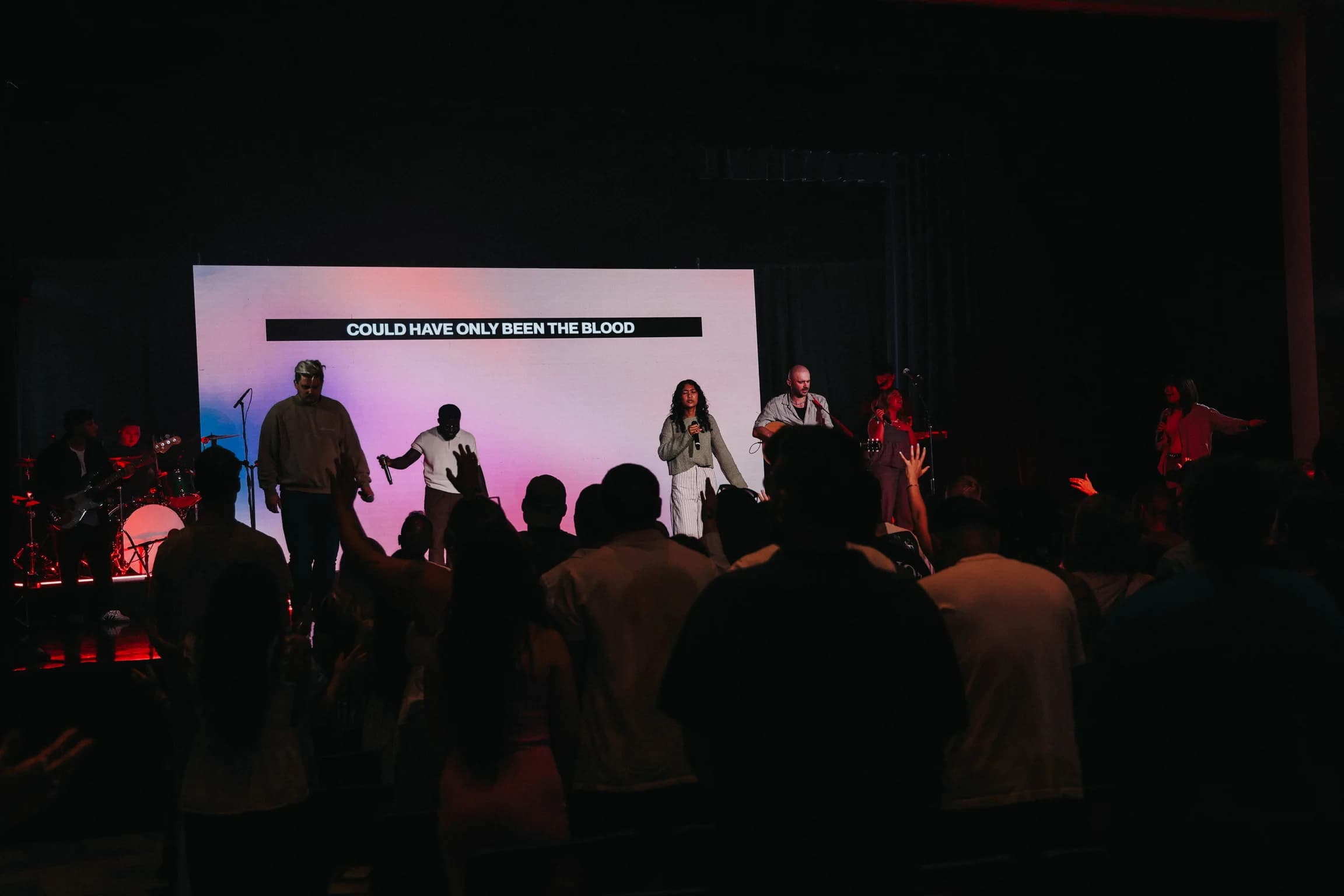
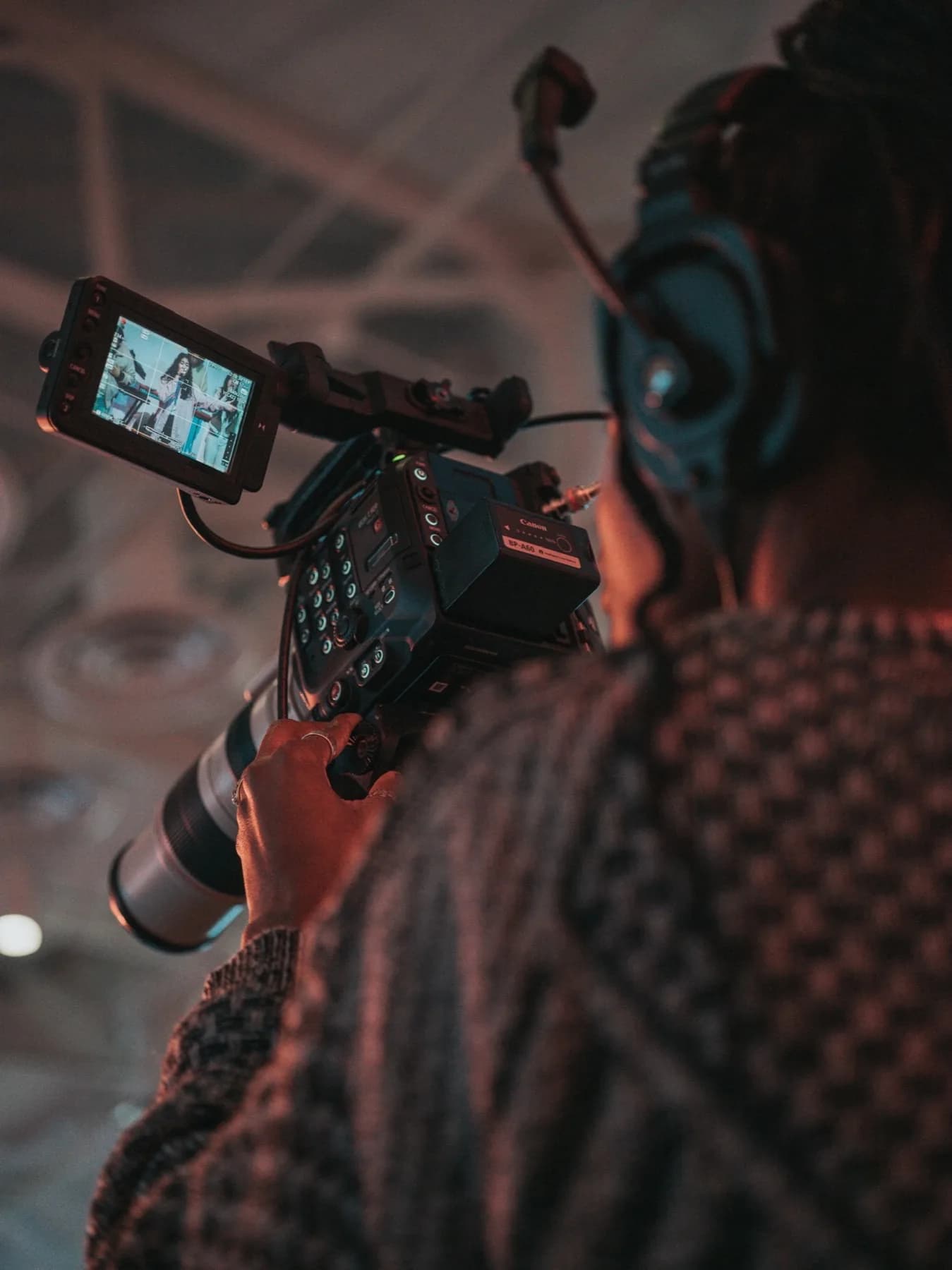
Modern church audio serves two congregations: the one in the seats and the one online. We build broadcast feeds and stage workflows so both sound right without turning Sunday into a routing exercise.
ROOMCoverage / clarity / musical impact
STREAMIsolation / balance / translation
Room acoustics
Sometimes the problem isn’t the speakers.
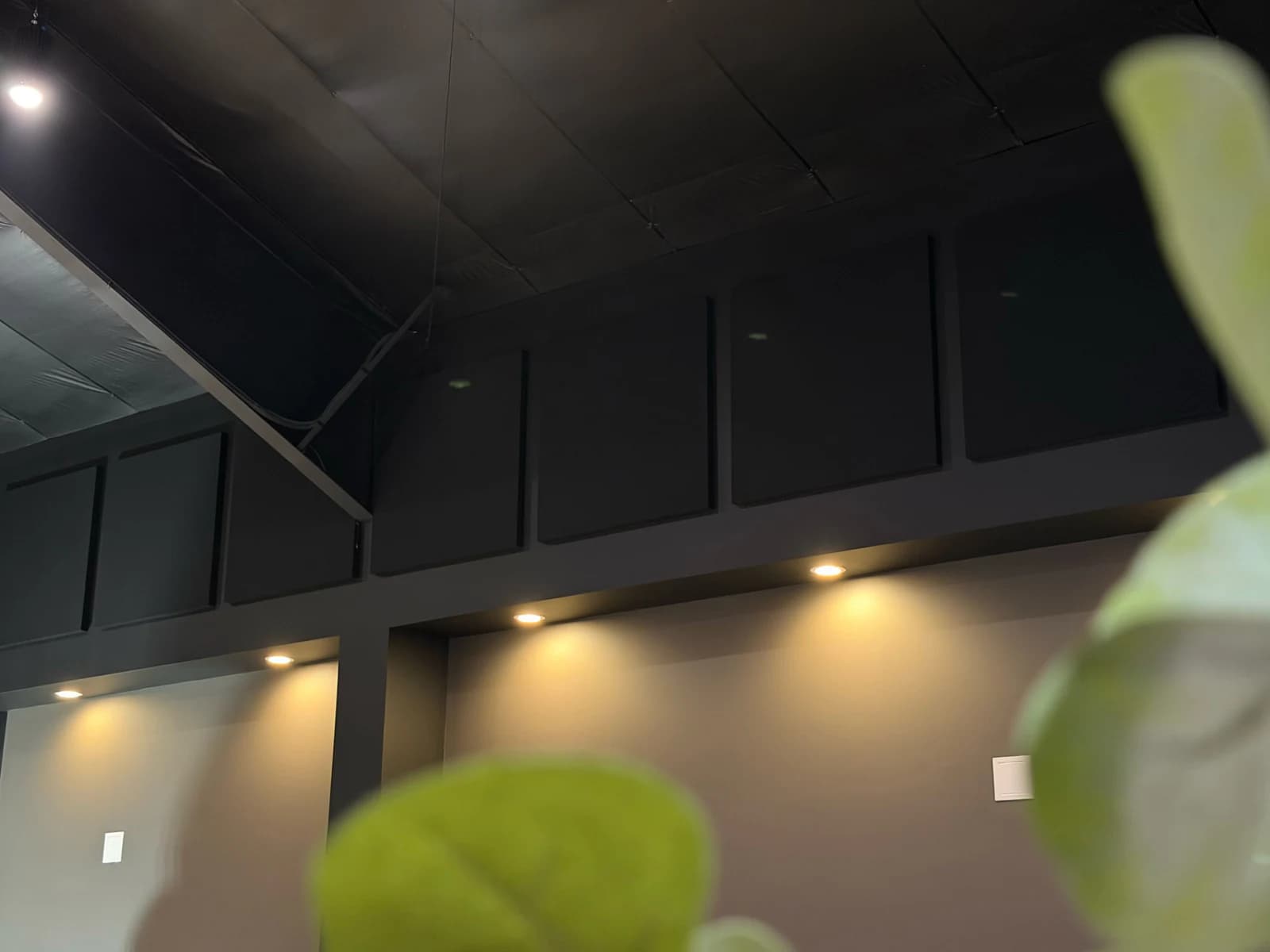
Echo, long decay, and muddy vocals often need acoustic treatment, not more volume. Qohr designs acoustic panel layouts around the room, the architecture, and the frequency problems that need to be controlled.
Church acoustic panels are not soundproofing. Soundproofing keeps sound from passing between spaces; sound panels absorb the energy already loose in the room, so a word does not arrive at the seats twice. Broadband panels work across the speech range and above, which is where intelligibility lives. Deep low-frequency energy is a different problem that needs different devices, and Qohr says so before anything is ordered.
A field of panels is laid out against the surfaces that are actually returning sound, cut to the sizes the architecture allows, and set in place before the loudspeakers are touched. Tuning a PA into an untreated room only teaches the system to fight the building. This sequence is from the sanctuary at Life Co Church in Chester, Virginia.
Layout
Mark the surfaces.
Fabrication
Size each panel.
Install
Set the field.
Result
Read the finished wall.
Church sound system questions.
Qohr starts with the room, seating, service style, stage volume, livestream needs, infrastructure, and the people operating the system. Coverage and system behavior are modeled before loudspeakers, DSP, amplification, consoles, and acoustic treatment are finalized.
Sometimes. Existing loudspeakers, processing, placement, tuning, stage volume, and room acoustics all affect intelligibility. We evaluate the complete system first, then identify what can remain and what is actually limiting clarity.
It may need one, both, or neither. Long reverberation, strong reflections, uneven coverage, and insufficient system headroom can sound similar to an untrained ear. Measurement and modeling help separate room problems from loudspeaker problems.
When they solve a measured problem, yes. Church acoustic panels shorten decay and control reflections so speech stays clear, but placement matters more than panel count, and panels cannot fix uneven speaker coverage. We measure first, so treatment goes where the room actually needs it.
The ones the room chooses. Church speakers are selected by coverage pattern, output, and placement. A speaker that sounds beautiful in one sanctuary is the wrong tool in another. Qohr models the room first and lets the design pick the loudspeakers, not the other way around.
Yes. The congregation and the livestream hear different acoustic environments. Qohr can design routing, processing, monitoring, and volunteer workflows that let each mix serve its audience without making operation unnecessarily complex.
Different name, same thing. A PA (public address) system is what many churches call their speakers, amplifiers, and processing. Whatever the name, the questions are identical: can every seat hear clearly, can volunteers run it on Sunday, and does the livestream get its own mix.
Yes. Training is built around the installed console, stage workflow, scenes, gain structure, monitors, broadcast routing, and the troubleshooting steps volunteers are most likely to need on Sunday.
We install nationwide from our California base, with completed church sound system installations in California, Oregon, Washington, and Virginia. Wherever the room is, the process starts the same way: with the room itself.
For a mid-size sanctuary, equipment-only budgets commonly run $15,000–$35,000 for a targeted upgrade and $55,000–$70,000 for a full equipment package, before tax and installation. Small-room equipment packages start from ~$7,000, while large systems can reach $150,000+ in equipment. These are not installed PA budgets or whole-AV project totals. Room acoustics, worship style, and livestream needs affect the scope; use the cost guide to compare installed project examples. Read the church sound system cost guide.
 Start a project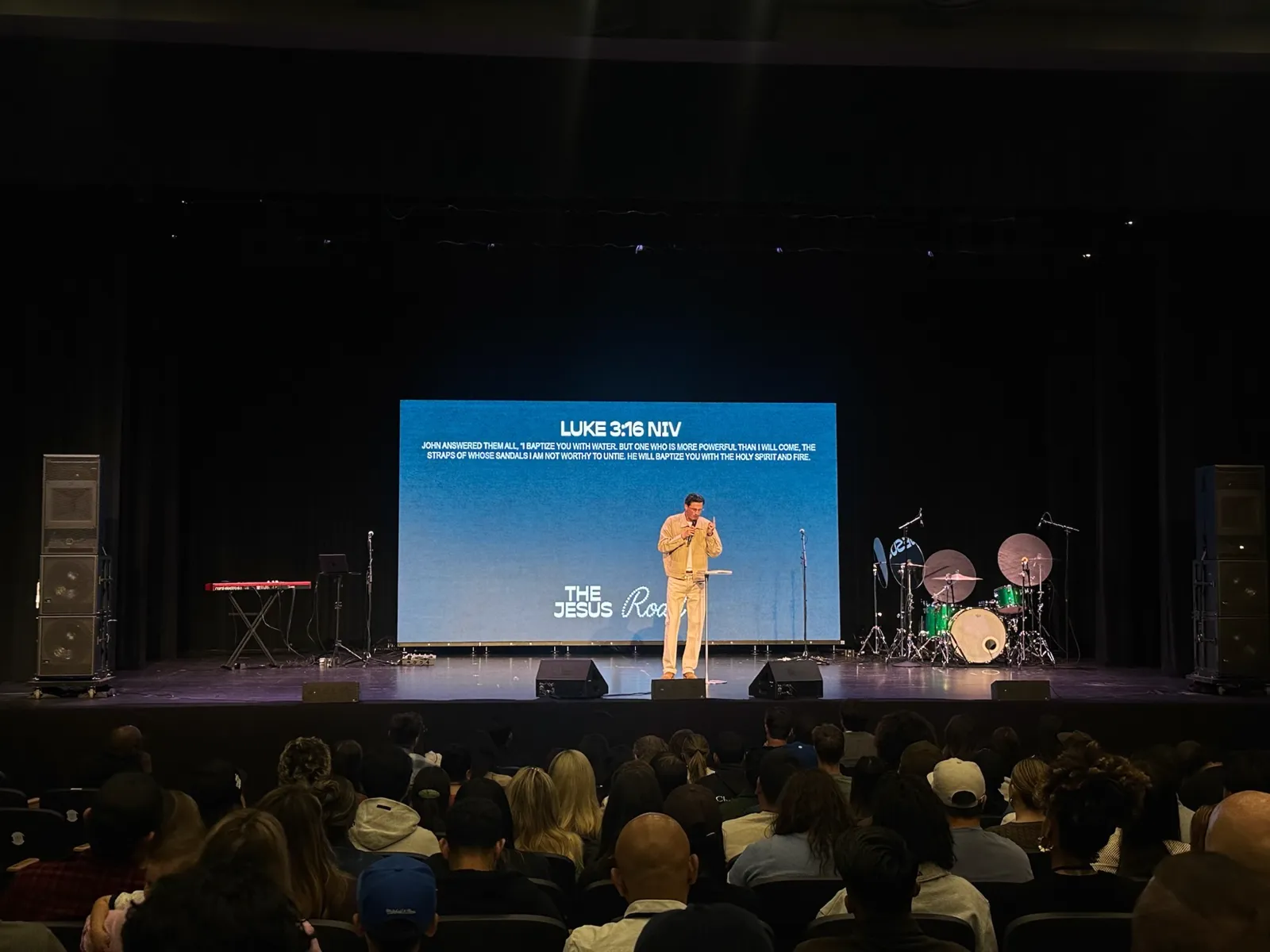
 One service / Two listening environments